






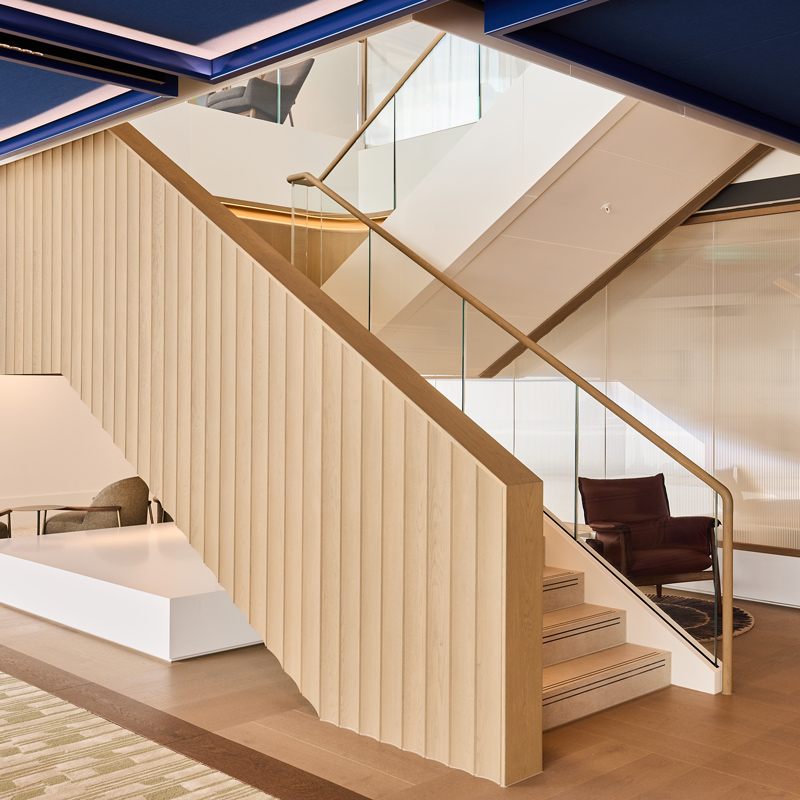



When breathing new life into an underperforming building through a repositioning program, the addition of new area in the form of an overbuild can transform the building into a more substantial asset with a much healthier proforma. An overbuild requires careful study to determine the viability of this strategy.

As the life sciences sector has exploded in recent years, developers have jumped at the opportunity to repurpose commercial office space and other buildings for research and office space. But another type of life sciences facility is emerging—and bringing with it a new set of real estate requirements and expertise.
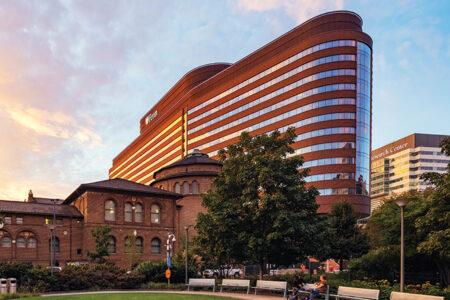
As architects, engineers, owners, and construction managers embrace innovation at all stages of the project process, the industry has also begun to reevaluate how these stakeholders partner to deliver top quality projects, on time and on schedule.
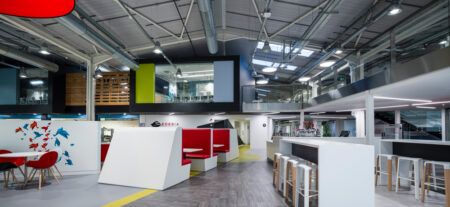
When you think of an industrial building, you probably envision a simple, steel box with basic infrastructure. That general image may be true of the exterior—but the interiors are increasingly being repurposed for some surprising uses.
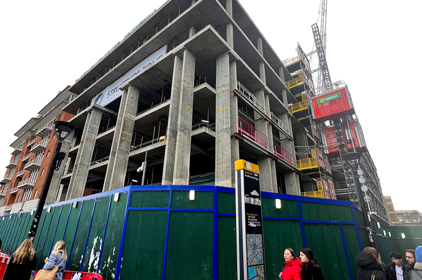
Buildings are responsible for a significant portion of global carbon emissions. According to the International Energy Agency (IEA), the building sector is responsible for around 40% of total global energy consumption and about 28% of global greenhouse gas emissions. Reducing the carbon emissions of the building sector is an important step in addressing climate change.
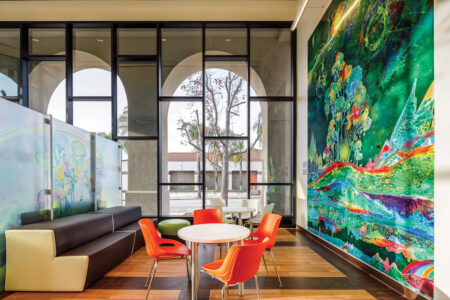
People tend to think of civic art as outdoor sculptures, but in Los Angeles there are unexpected ways to experience it. For example, civic art is a glowing fused glass partition in the local urgent care center; it’s the swerving ramp under the skateboarder’s wheels at the park; it’s the coloring book created for children whose parents are staying at a public hospital.

Almost three years have passed since the pandemic threw a major wrench into the supply chain. What issues still remain? Are things getting better? David Hamilton, vice president of purchasing at Structure Tone, has been keeping a close eye on this ongoing ripple effect, and here shares some lessons learned and what he is seeing going into 2023.
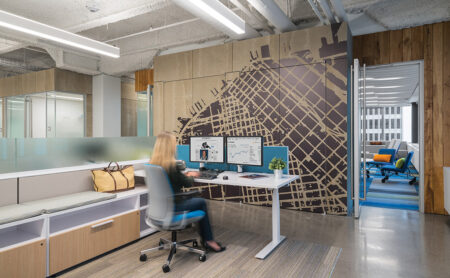
In today’s market, uncertainty is part of the process. From labor shortages to supply chain issues, there are a number of factors that can impact your project’s cost, schedule, and quality. Now picture building 10 projects across 10 cities—all similar in size, scale, and scope—in less than two years. How can owners and developers avoid compounding change orders, costs, and coordination issues during real estate rollouts with so many variables?
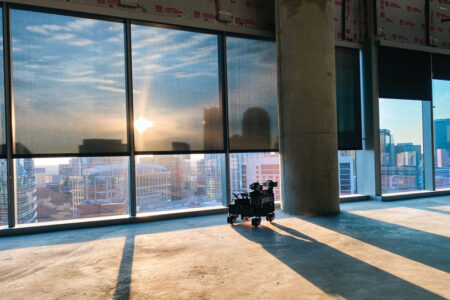
They’re featured in films, literature, and throughout pop culture…usually as a threat. But have no fear—robots are here to enhance our society rather than take it over. In the construction industry, robots can work alongside humans to help keep them safer and increase productivity. Here, Structure Tone Southwest operations manager Ryan Davis details their collaboration with Rugged Robotics, a Houston-based construction technology company, and the significance of robots on construction sites.

As design trends come and go, law firms have historically stuck to a more traditional workplace aesthetic that is, in many cases, rooted in more than a century of legacy. However, with unprecedented challenges and shifts in workplace dynamics in the last several years, some trends are emerging.

Last fall, Layton’s Diversity, Equity, and Inclusion (DE&I) team officially launched its Trade Partner Equity Program (TPEP).
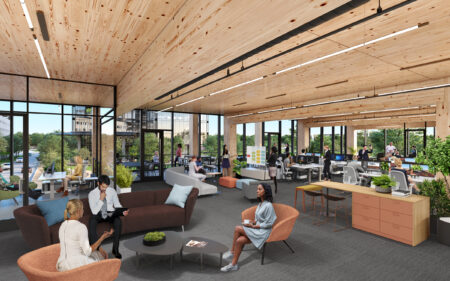
Cross laminated timber, or CLT, traces its origins to advances in wood processing and fabrication about 30 years ago in Austria, Germany, and Switzerland.