






By Ryan Forde, BIM Manager, Structure Tone Dublin
The construction industry is experiencing a rapid digital transformation, driven by the demand for improved efficiency, accuracy, and collaboration. At Structure Tone Dublin, we recognised that traditional methods of managing Building Information Modelling (BIM) data were limiting our ability to deliver projects efficiently.
Clashes were often slow to resolve, models were difficult to access on-site, and subcontractors faced barriers to engaging fully with BIM processes. To overcome these challenges, Structure Tone Dublin undertook a strategic review of how BIM information was managed and delivered across our projects.

RECOGNISING THE NEED FOR CHANGE
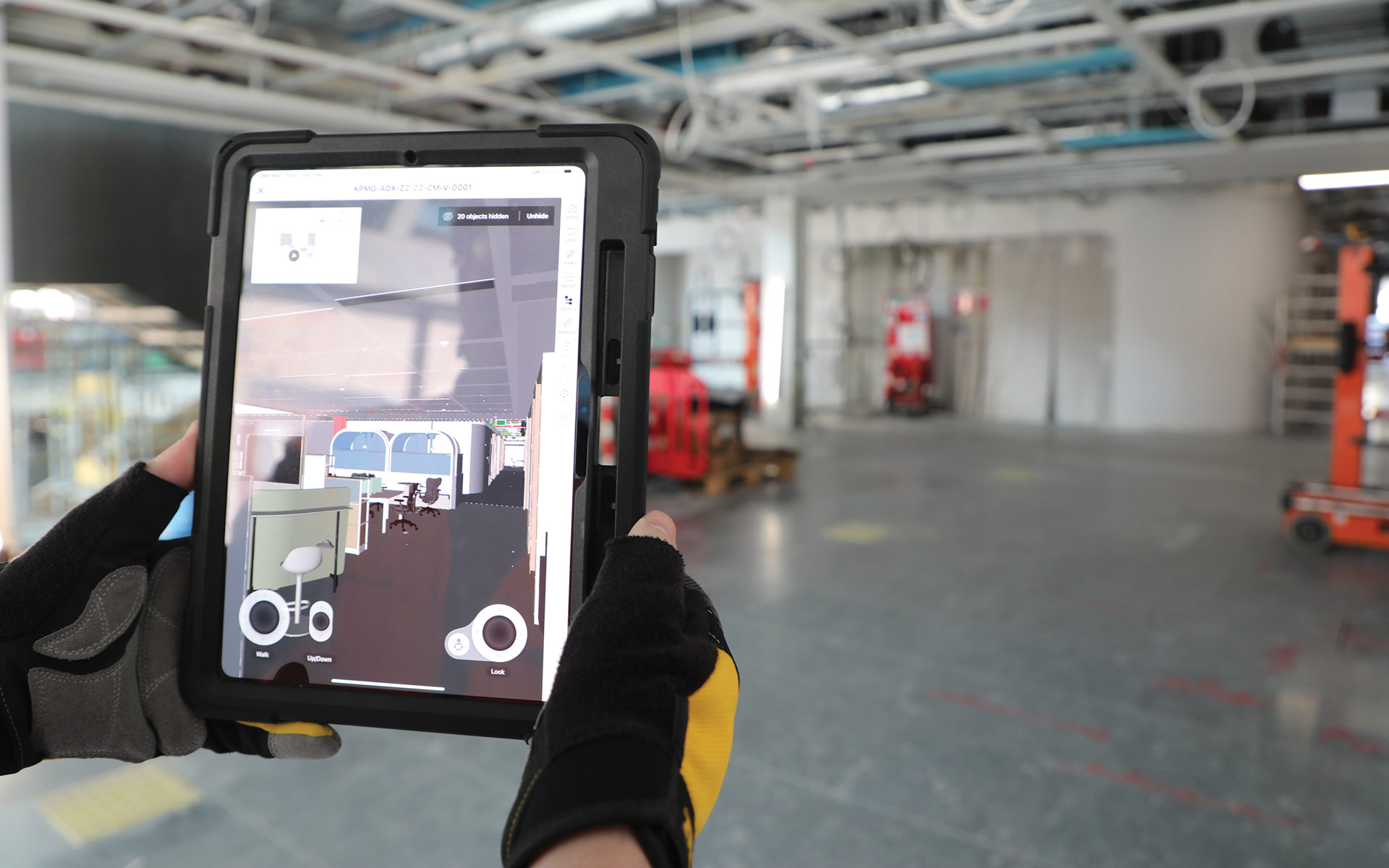
Historically, BIM coordination depended on specialised hardware and software, typically limited to use in the office. Site teams and subcontractors were often working from 2D drawings or static screenshots that quickly became outdated. We set out to change this by making BIM information accessible to everyone involved in project delivery—from project managers and site supervisors to subcontractor installers.
Our first step was to conduct controlled trials using mobile BIM tools on live projects. We wanted to understand:
- How accessible models could be on tablets and mobile devices
- How easily staff with different levels of digital confidence could use them
- Whether issue resolution could be improved compared to traditional methods
Feedback from the trials was overwhelmingly positive. Site teams reported that being able to carry the model onto site allowed them to check conditions in real time and raise issues immediately, significantly speeding up the coordination process.
CONTINUITY FOR BIM TEAMS
A key success factor was ensuring our BIM team could continue working with their existing tools and workflows. We integrated mobile access into our standard BIM processes, allowing coordination and model updates to continue in familiar environments such as Navisworks and Revit.
The difference was that models were now accessible to everyone, not just BIM specialists. Site teams could view floorplans, navigate directly
into model views, flag issues, and track coordination progress—all within a shared digital environment.
This integration reduced communication gaps, eliminated email chains, and ensured everyone worked from a single, current version of the model.
PARTNERING WITH SUBCONTRACTORS AND INSTALLERS
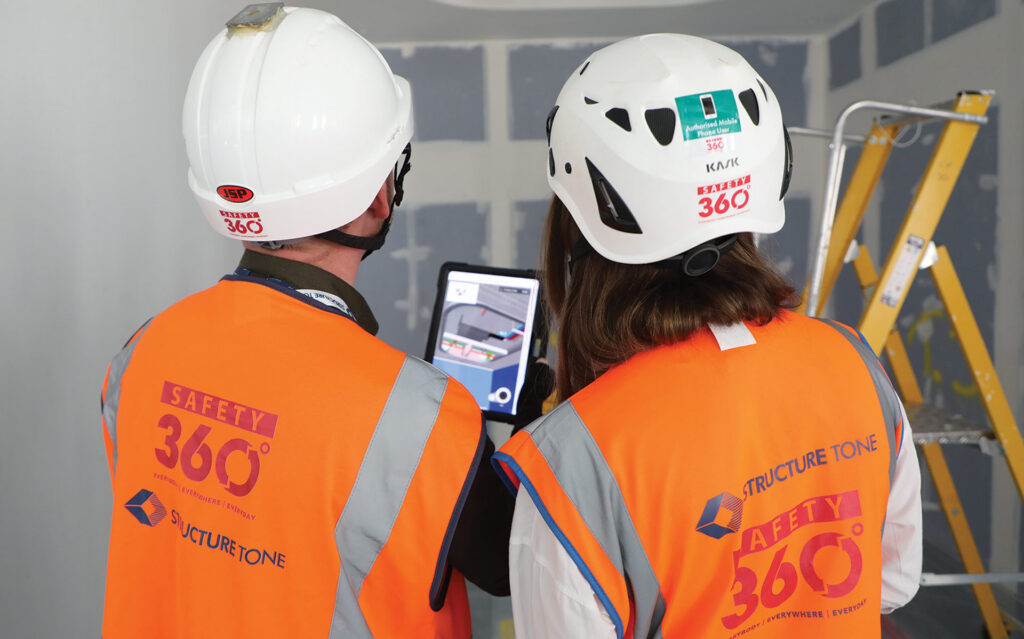
For digital adoption to succeed, subcontractors must be active participants, not observers. Traditionally, this was one of the biggest barriers to BIM integration. With improved accessibility, Structure Tone Dublin’s subcontractors could now:
- View trade-specific models directly in the field
- Identify and resolve issues before installation
- Work from the most current model without specialist equipment
This shift empowered our partners to contribute directly to coordination, improving collaboration and reducing the likelihood of rework.

ACCELERATING COORDINATION AND ISSUE RESOLUTION
One of the most measurable outcomes of our digital transformation has been the speed of issue resolution. Coordination problems that once took weeks to close out can now be addressed in days—or even hours. By managing issues digitally, teams in both the office and on site have immediate visibility of clashes, ownership, and status updates. This transparency has reduced duplication of effort and increased confidence in project information.
LOOKING AHEAD: EXPLORING AUGMENTED REALITY OVERLAY
As our Structure Tone team continues to evolve digitally, augmented reality (AR) presents the next frontier. We are currently exploring AR overlay technology that allows site teams to view digital models directly on top of real-world installations. Potential benefits include:
- Instant validation of installation accuracy
- Early identification of clashes before materials are installed
- Assurance that the built environment matches design intent
We see AR as a natural extension of our commitment to digital delivery and continuous improvement.
With BIM now an inherent part of our process and AR capabilities on the horizon, Structure Tone Dublin is committed to pushing digital construction forward—ensuring that we continue to deliver, efficient, coordinated, and future-ready projects.