
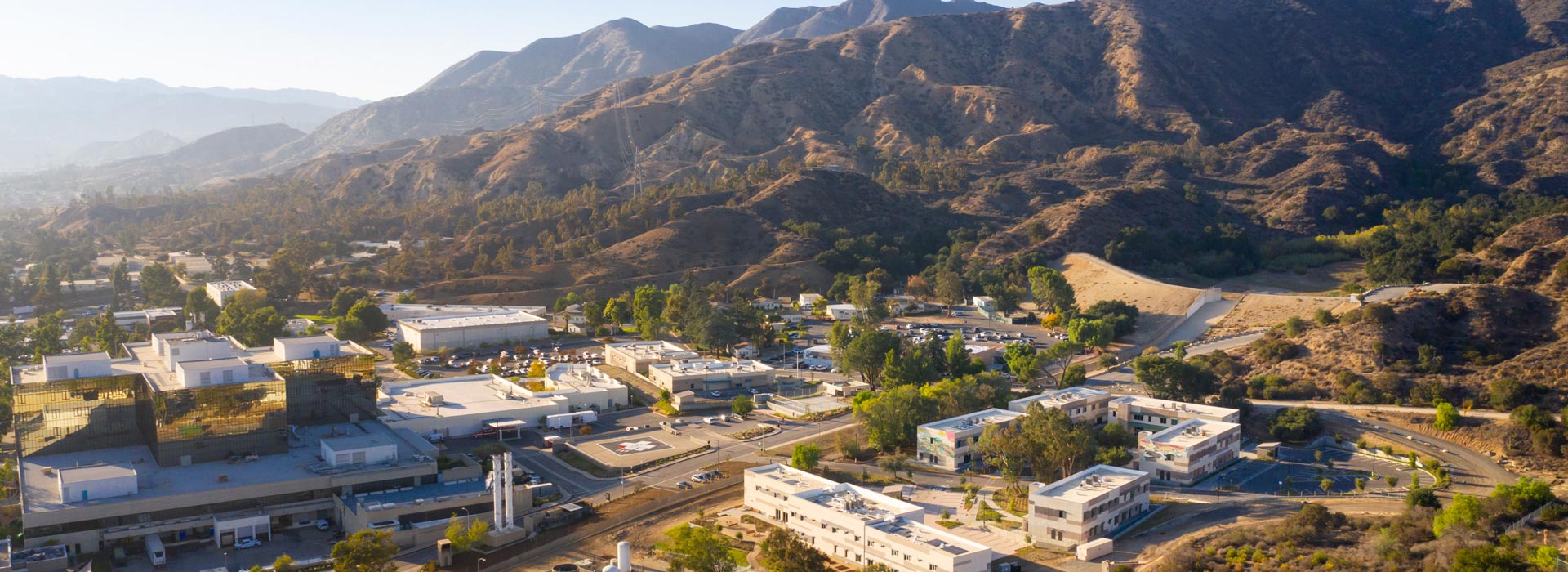
Climate risk is an increasingly important consideration for the construction industry, with implications for operations, project delivery, and long-term business strategy.
Defining Climate Risk in Construction
Climate-related risks can be broadly categorized into two types: physical risks and transition risks.
Physical risks arise from climate-related hazards. These include acute events such as heatwaves, floods, and wildfires, as well as chronic changes like rising temperatures and shifting weather patterns. Transition risks, by contrast, stem from the global shift toward a lower-carbon economy and include changes in policy, technology, market dynamics, and stakeholder expectations.
Both categories are relevant to the construction industry and require consideration across the full project lifecycle.
Findings from STOBG’s Climate Risk Assessment
As part of our assessment, STO Building Group analyzed climate-related risks and opportunities across our global operational footprint, incorporating both external climate data and internal stakeholder input.
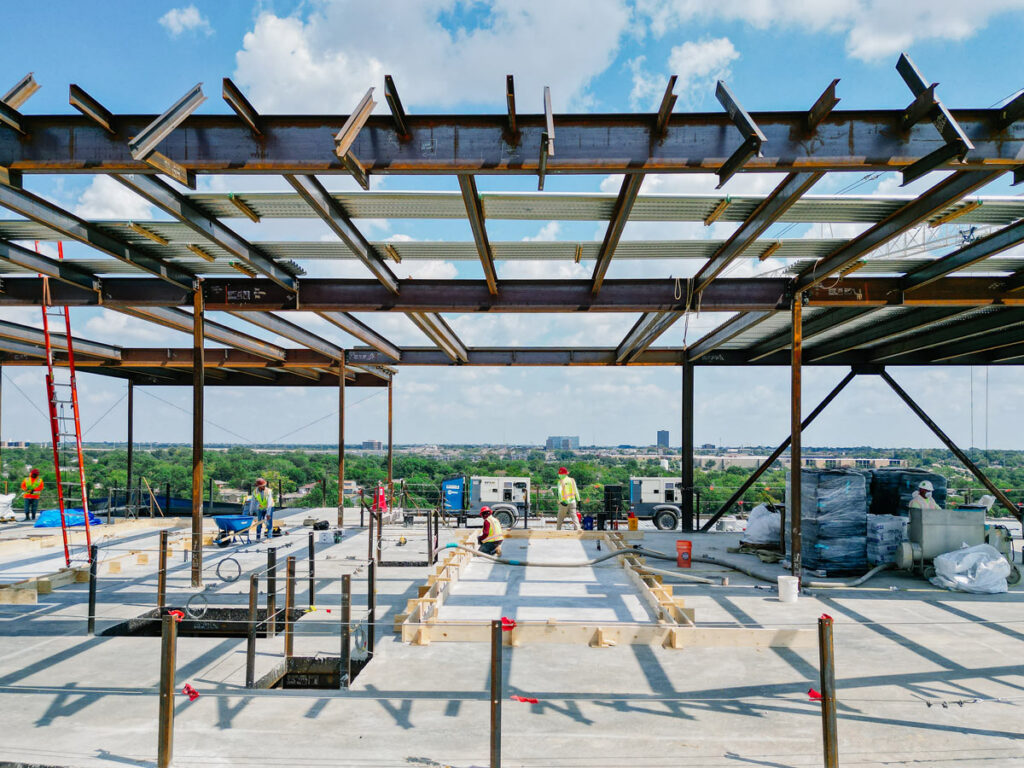
Our analysis indicates that physical risks are expected to increase over time, particularly under high-emissions scenarios. These risks include increased frequency and severity of extreme heat, greater exposure to heavy precipitation and flooding, and elevated wildfire risk in certain regions. These conditions have the potential to impact everything from workforce safety and project schedules to global supply chains and overall operational performance.
Transition risks are expected to be more pronounced under low-emissions scenarios, particularly in the near- to medium-term. These risks are driven by evolving regulatory requirements, shifts in client expectations, advancements in construction technologies and materials, and an increased demand for transparency and sustainability reporting. These factors may influence cost structures, procurement strategies, and competitive positioning within the market.
Integrating Climate Risk into Business Processes
A key outcome of this assessment is the integration of climate-related considerations into STOBG’s broader enterprise risk management (ERM) framework. Climate risks are evaluated alongside other strategic and operational risks through structured processes that span all phases of the construction lifecycle. This includes project-level risk assessments, enterprise risk reviews, and ongoing monitoring of regulatory and market developments.
To support this effort, STOBG is advancing toward a more dynamic ERM system that enables continuous risk monitoring, standardized evaluation, and improved tracking of mitigation actions.
Operational Response & Risk Mitigation
At an operational level, climate risks are addressed through a range of established practices and evolving strategies. A few examples include:
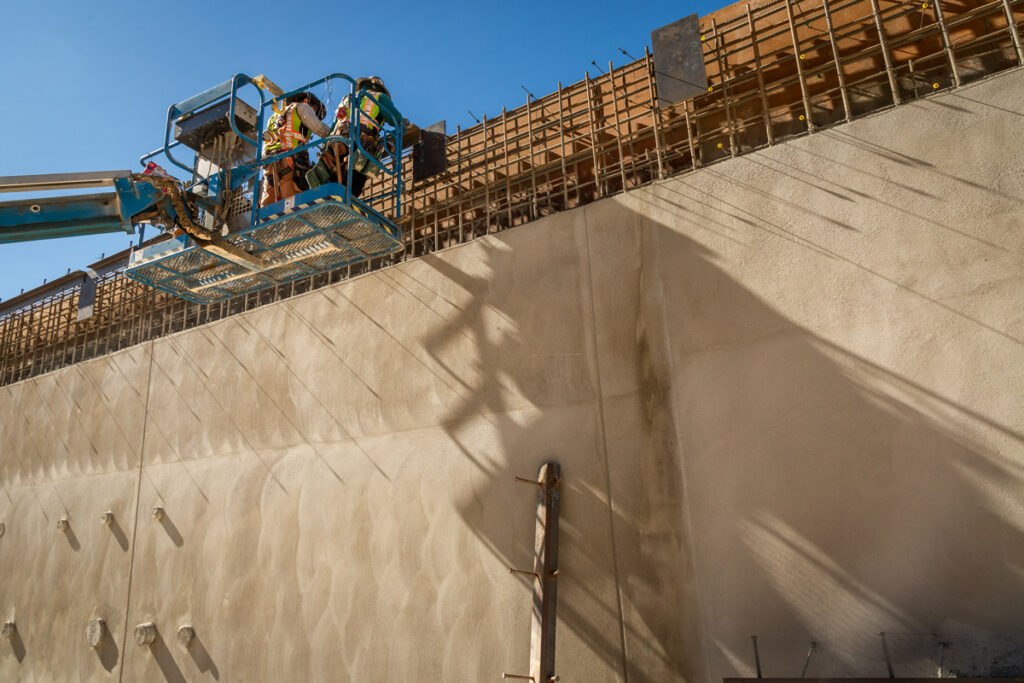
- Workforce protection measures to address heat-related risks, including adjusted schedules and on-site safety protocols.
- Crisis management procedures for extreme weather events and natural disasters.
- Project planning considerations informed by climate data and regional conditions.
- Supply chain and procurement strategies that account for emerging sustainability requirements.
These approaches are designed to enhance resilience while maintaining flexibility across different project types and geographies.
Climate Action Opportunities
In addition to risk, the assessment identified opportunities associated with climate action. These include:
- Expanding the use of sustainable materials and construction methods.
- Increasing resource efficiency through waste reduction and circular practices.
- Strengthening partnerships across the value chain to reduce emissions
- Enhancing transparency through sustainability reporting.
Looking Ahead
Climate risk is an evolving area, and the continuous refinement of processes, data, and tools is necessary. As the industry continues to adapt, a structured and proactive approach to climate risk will be essential to maintaining resilience and delivering consistent project outcomes.
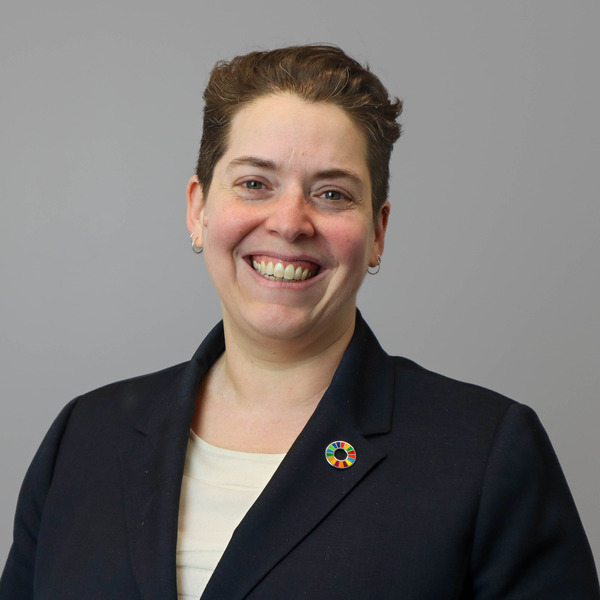
About Jennifer Taranto
Jennifer Taranto is the Vice President of Sustainability at STO Building Group and a leading voice in sustainable construction practices. She is dedicated to helping clients and professionals alike achieve their sustainability goals.