
Why quantum facilities are emerging as a distinct construction asset class
By Greg Dunkle, Chief Operating Officer, STO Building Group & Nicholas Cassaro, Director of Life Sciences, Structure Tone
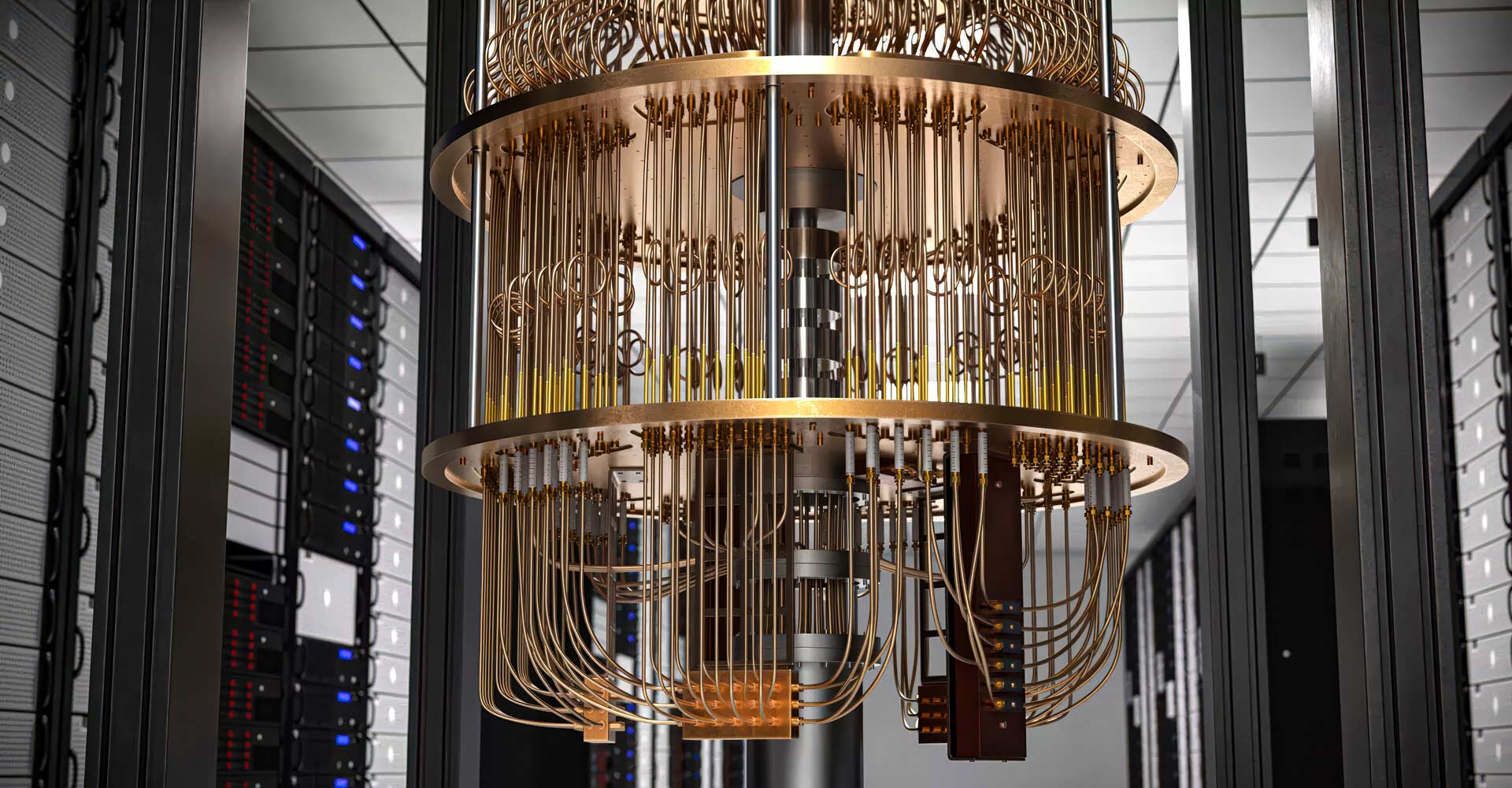
A quantum facility is the physical environment designed to house, support, and operate quantum computing systems. It may include research and development space, advanced manufacturing and assembly areas, classical computing infrastructure, specialized utilities, and the highly controlled rooms where quantum hardware operates. Unlike a conventional data center or laboratory, its building systems must protect equipment that can be exceptionally sensitive to vibration, electromagnetic interference, temperature variation, noise, and power instability.
The definition is intentionally broad. Quantum facilities don’t yet conform to one standard building type. They range from pilot and research environments to commercial facilities designed to make quantum computing available as a service. Some support customer-owned systems at universities, healthcare institutions, or government organizations, while others combine manufacturing, high-performance computing and operational infrastructure at much greater scale. What connects these facilities is not a common footprint, but the degree to which the building and the quantum platform must perform as a unified system.
Understanding why these facilities are so specialized begins with understanding what makes quantum computing different. For those unfamiliar, the simplest distinction is that classical computers process information in bits (zeros or ones), while quantum computers use qubits that can represent multiple possibilities at once. A recent Newsweek article by Gabriel Snyder offers a useful analogy from Cleveland Clinic’s Lara Jehi: classical and quantum computing are less like two cars competing for speed and more like a car and an airplane – different tools suited to different parts of the journey, with the greatest value coming from using them together. Researchers are exploring that combined capability for problems that become extraordinarily difficult as they scale, including modeling molecules and materials, improving batteries and drug discovery, optimizing logistics, and sharpening weather and climate forecasting.
An Emerging Asset Class
As quantum computing moves towards broader practical use, the spaces supporting it are becoming more varied. A quantum facility may be purpose-built or incorporated into a larger research, manufacturing, or computing environment. That range reinforces a central point: quantum facilities are not one standardized building type. It’s a developing category shaped by the equipment, users, and operating model each project must support.
How an organization intends to deploy and operate its quantum technology will directly influence the facility. A dedicated, on-site system may require greater control over security, infrastructure, and operations, while a platform serving remote users may place different demands on connectivity, capacity, and resilience. Establishing that operating model early is essential because it shapes the project’s space, systems, and performance requirements.
The operating model is only one variable. Quantum platforms also rely on
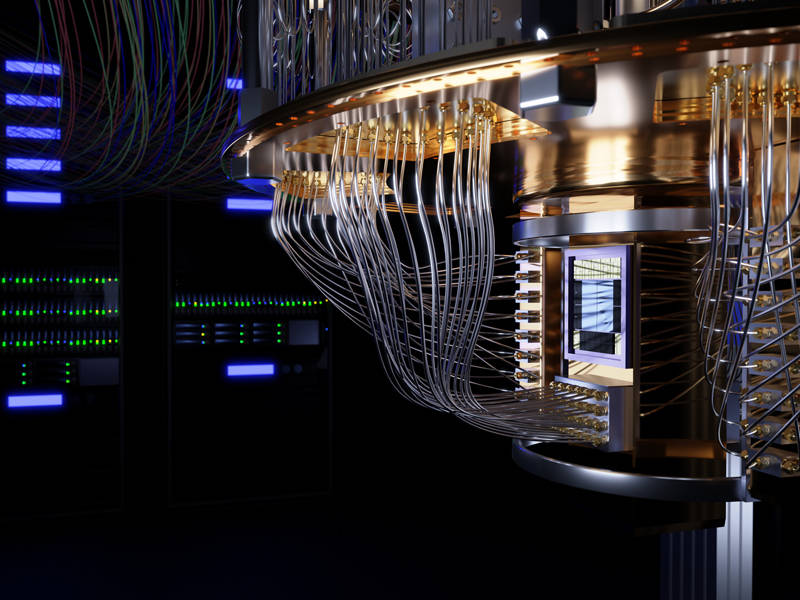
different technologies, or modalities, each with its own environmental, infrastructure, and equipment needs. As a result, a generic facility template is unlikely to work. Owners, designers, builders, and technology providers must align the building with the specific platform from the earliest stage of planning.
A Hybrid Facility with Unique Demands
The closest familiar comparison may be a hybrid of a data center, a biomanufacturing facility, and an industrial plant. Like a data center, a quantum facility may require resilient power, cooling, network connectivity, uptime, and integration with classical computing. Like a biomanufacturing facility, it can depend on precisely controlled environments, specialized process equipment and disciplined commissioning. Like an industrial asset, it may contain extensive utilities and equipment whose installation, maintenance and replacement shape the building around them.
While those comparisons are useful, they only go so far. Jacobs notes that quantum systems require tighter control of vibration, electromagnetic interference, temperature, and power quality than traditional data centers. In practice, these requirements transform what seem like isolated technical requirements into interconnected construction decisions. Vibration criteria can affect site selection, structural design, equipment placement, and construction sequencing. Electrical-interference controls can influence system routing, separation, and material choices. Cooling and specialized process systems can determine ceiling heights, shaft space, access routes, and maintenance clearances. The facility cannot be resolved first and fitted with quantum equipment later.

Construction Starts from the Inside Out
From our experience in quantum projects, the technology platform and its supporting systems establish the design basis from the outset. The project team must understand what the equipment needs, how it will arrive, how it will be installed and commissioned, and how it may change over time. Those answers guide the structure and enclosure as well as power, cooling, vibration control, monitoring, and process utilities. It’s truly building a space from the inside out to optimize the requirement of the equipment and manufacturing uses.
That inside-out approach reshapes nearly every aspect of project planning and delivery. Site evaluation should test more than land availability and utility capacity. It may also need to assess ambient vibration and other interference that could compromise operations. Space planning should account for equipment movement, service access, and adjacencies among technical, manufacturing, computing, and support areas. The result can be a facility that is more industrial than architectural in character, where performance takes priority over conventional workplace expectations.
Procurement must also begin early. Specialized equipment and components can carry long lead times, while their final dimensions, loads, and connections may affect work already underway. On complex projects, a dedicated equipment procurement team can help coordinate vendor requirements, monitor long-lead items, and align critical equipment decisions with the design and construction schedule. Engaging specialists such as Construction Procurement Solutions (CPS) while requirements are still being defined allows procurement information, constructability, logistics, and sequencing to inform the design rather than disrupt it later. Advanced modeling, including BIM and digital twins, can then help teams coordinate dense interfaces, evaluate performance scenarios, and identify potential conflicts before installation.
Commissioning is equally central. In a typical building, commissioning confirms that systems perform as designed. In a quantum facility, it must also help demonstrate that the combined environment is stable enough for the quantum platform. That requires close coordination among the owner, technology provider, design team, builder, trade partners, and commissioning specialists.
Planning for Change Without Overbuilding
Quantum technology will continue to evolve, but flexibility does not require creating a universal building. It means making deliberate choices about what should be permanent, what can be modular, and where capacity should be reserved. Jacobs points to modular layouts, flexible infrastructure and phased expansion as strategies for scaling quantum facilities over time. The goal is to preserve realistic pathways for future change without adding unnecessary cost and complexity to the initial build.
For owners, the most important questions at the outset are practical ones:
- Which quantum modality and operating model will the facility support?
- What environmental criteria are truly required?
- Which equipment decisions will drive the site, structure, and utilities?
- What must be procured before the design is complete?
- Which systems should be designed for expansion or replacement?
Answering those questions requires more than transferring a data center or laboratory playbook. It requires a team that can connect technology requirements to the realities of construction and commissioning.
A Category Taking Shape
Quantum facilities are not defined by one scale, one owner, or one architectural form. They are defined by an unusually close relationship between the machine and the building that supports it. As the market expands from research settings toward commercial deployment, that relationship is becoming a distinct real estate and construction challenge.
Organizations that plan early will be better positioned to manage cost, schedule, and technical risk. More importantly, they can create facilities that support today’s systems while preserving the flexibility needed for future advances. In this emerging asset class, the building is more than a container for the technology, it’s an active part of the system itself.
About the Authors

Greg Dunkle, COO, STO Building Group
With more than 30 years of construction industry experience, Greg Dunkle serves as Chief Operating Officer of STO Building Group, where he provides leadership across the firm’s corporate services and supports strategic planning, operational improvement, and merger and acquisition initiatives. Greg also serves on the national board of directors for the ACE Mentor Program, helping inspire the next generation of AEC professionals.

Nicholas Cassaro, Director of Life Sciences, Structure Tone
Nick has spent over a decade working on construction projects for healthcare and life sciences organizations. His projects include full-scale campus developments, complex lab renovations and expansions, manufacturing facilities, process development labs, infrastructure upgrades, and pilot-scale lab and manufacturing. He has also assisted clients in developing systematic expansions, site selections, base building life science readiness, and facility standards.