

By Greg Dunkle, STOBG Chief Operating Officer
Several STO Building Group family builders have recorded zero lost time incidents in 2026. Their success is a function of leadership and field teams working together to build a robust culture of safety.
In 2025, STO Building Group recorded its lowest Total Recordable Incident Rate (TRIR) and Lost Time Incident Rate (LTIR) in company history.
This year, we’ve continued to raise the bar, with several members of the STOBG family recording zero lost time incidents in 2026.
Our success is a function of our Safety 360° program, rooted in our “everybody, everywhere, every day” philosophy. We’ve also seen outstanding engagement from our field teams, who go the extra mile to ensure workers get home safe each day.
In my travels, I regularly speak to our teams about how to build on our success. They underscore how truly great safety programs link policy to culture, matching standards with a people-first approach.
Here are four of the things I’ve learned about building a winning safety culture in the field.
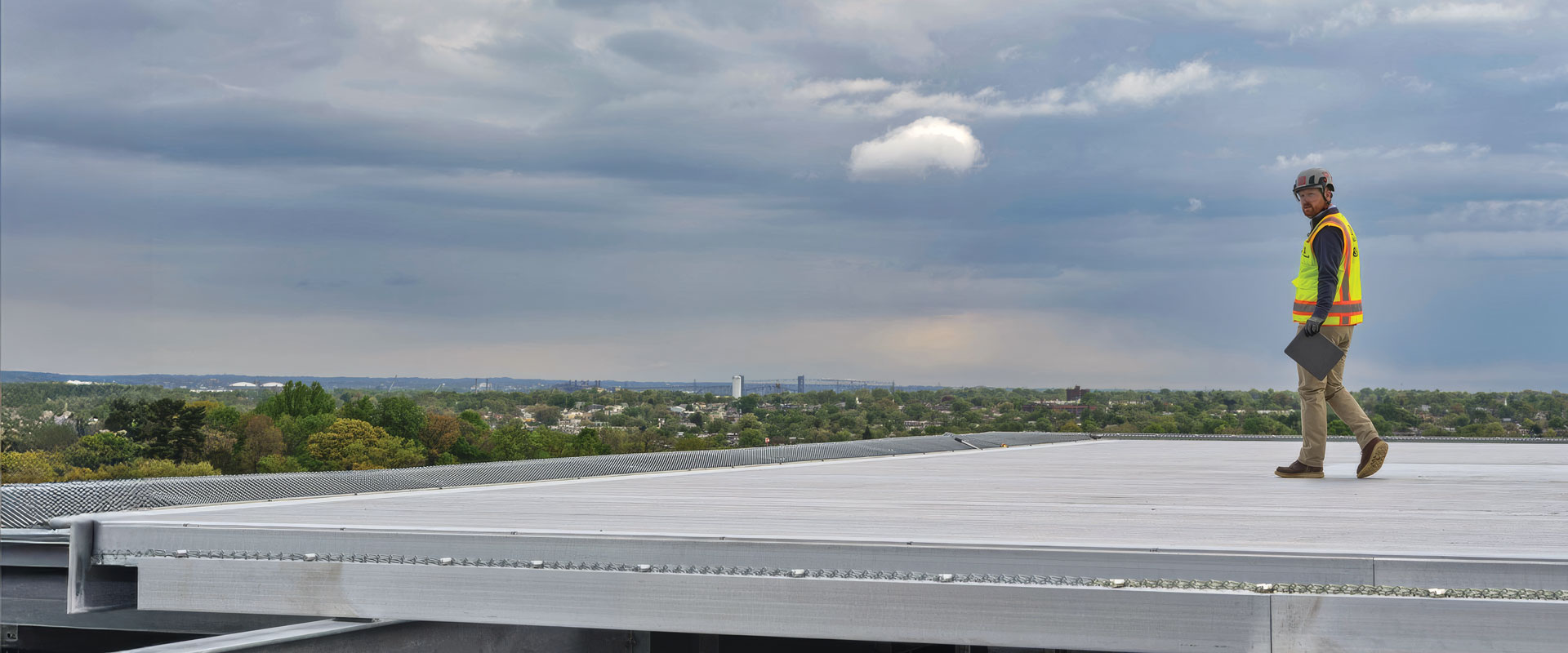
1. Leadership Sets the Tone
Strong safety records come from leaders committing to their people’s safety.
“Our success begins with leadership,” says Matty Kernen, Safety Director at BCCI Construction. “As leaders, we have a responsibility to protect our greatest asset—our people. When safety is firmly grounded in and supported by leadership, we create a unified organization committed to protecting one another.”
Dan Saddler, Vice President of ESH for Layton Construction, echoes the thought.
“This year, we’ve placed a heavier focus on leadership engagement,” Saddler says. “The role of a leader is to be present, not just physically, but actively present.”
Strong leaders don’t just set priorities; they create alignment by standing up for their people.
2. Field Teams Deliver Results
Safety is a two-way street. Programs work best when field teams buy in, and STOBG’s performance is driven by our jobsite personnel.
We talk a lot about leadership support, but support goes both ways,” SAYS MARC REEVES, DIRECTOR OF RISK MANAGEMENT, FOR AJAX BUILDING COMPANY. “It doesn’t just come from the top down; it comes from every direction.”
Reeves explains that everyone on the site plays an important role.
“Safety happens at the foreman and worker level,” he explains, “where the foreman is holding those morning huddles, engaging the people doing the work, making sure they are ready, have the right tools, and understand the risks associated with the task.”
Safety success comes from linking the topdown leadership to a ground-up philosophy where field people are empowered.
“When we empower people to participate in safety and give them confidence that their voice matters,” Kernen says, “we create a stronger, more proactive, and sustainable safety culture.”
3. Engagement Is a Group Effort
Our best performance comes when our people are engaged, taking ownership of jobsite safety.
Saddler explains Layton’s excellent performance this year is a direct function of higher engagement.
“We’ve seen improvement through engagement-focused safety processes, such as pre-mobilization, weekly focus walks, and pretask planning,” he says. “When our teams and our trade partners are switched on and ready for work every day, injuries go down as a result.”
Engagement comes from regular, consistent effort. It’s built from the small things, the focus and repetition that helps create enduring habits.
“We talk in our Safety 360° training about throwing pebbles in the pond and creating a ripple effect,” Reeves says. “It’s important to be consistent in your approach to workplace safety, always keeping it in the front of everybody’s minds.”
4. Culture Makes It Sustainable
Culture is the glue that holds the jobsite together, and many of STOBG’s most successful teams work to create intentional jobsite culture.
A sustainable jobsite culture prioritizes improvement, not blame. Teams excel when people raise concerns, treat near misses as learning opportunities, and recognize their role in keeping each other safe.
Kernen explains that jobsite culture is built on a range of things, from psychological safety and peer-to-peer accountability to open communication and continued learning.
“Ultimately, I believe our success comes from people caring about people,” he says. “When employees see leadership practicing what they preach, when trade partners feel like part of the team, and when everyone understands they have a voice in protecting one another, safety becomes part of the culture rather than
simply another requirement.”
In the end, zero lost time incidents are more than a statistic. They are a function of our people coming together, transforming safety into a fundamental part of who we are.