Iconic Growth in Data Centers: From Server Rooms to AI Campuses
Terence Deneny Senior Vice President STO Mission Critical
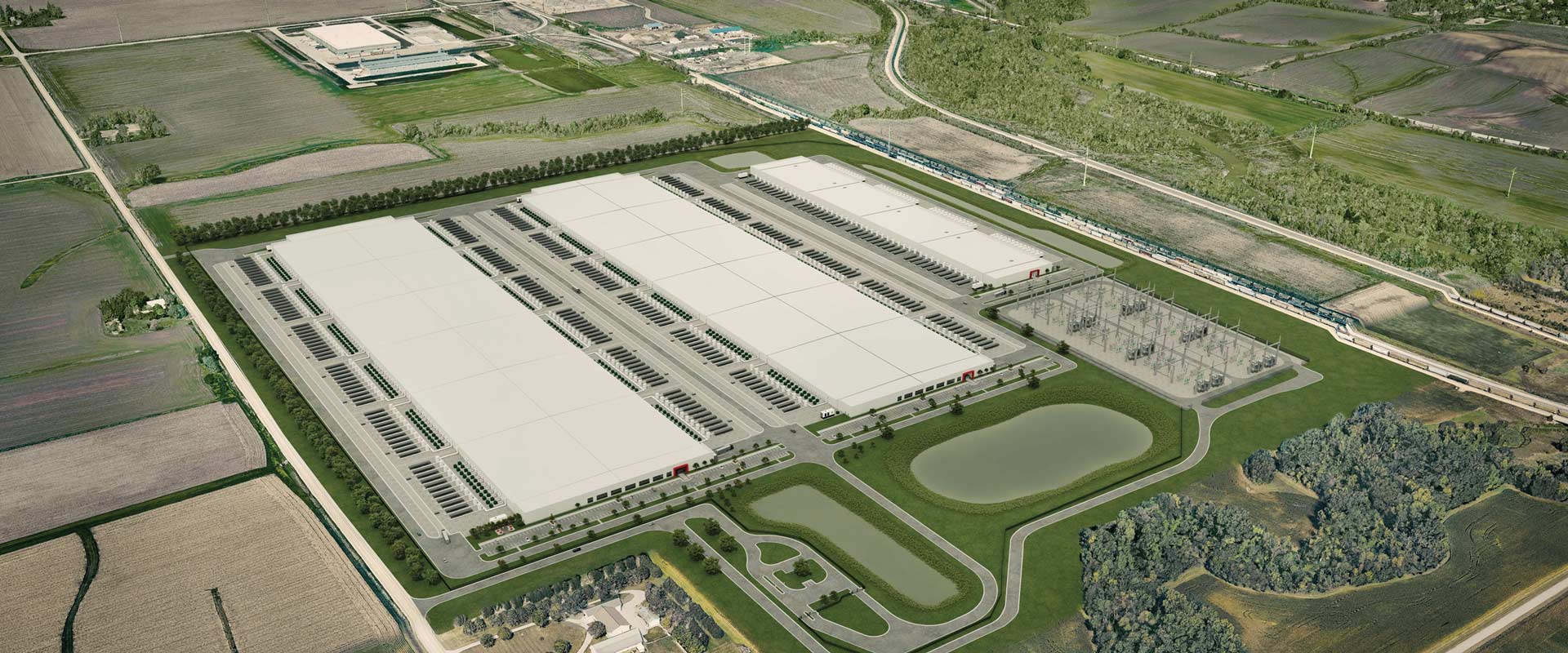
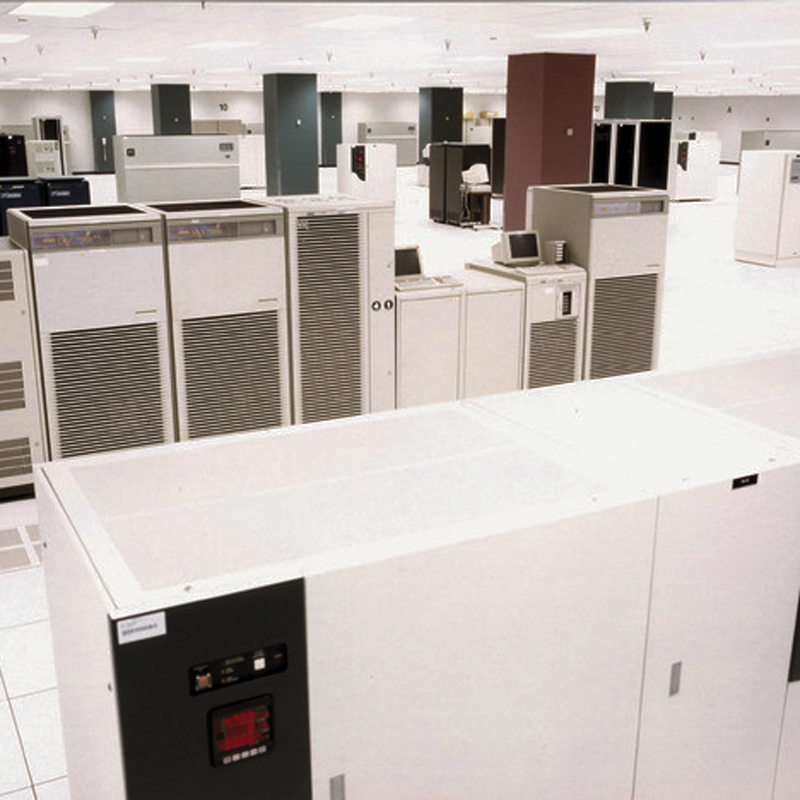
When we first established STO Mission Critical, it was hard to picture how much the data center landscape would change. Back then, data centers were just small server rooms tucked away in offices, not the huge facilities we see now. By the late 1980s, as personal computers became common in offices, the need for local area network (LAN) computing power increased. Server rooms expanded into full office-floor data centers. Our first major project was in 1986, when we retrofitted a 70,000sf space with 2MW of power for early microcomputer servers. Today, we build facilities on a gigawatt scale, with sites that cover hundreds of acres.
WORKFORCE SCALE: BUILDING A CITY TO SUPPORT THE JOB
STO Mission Critical is one of the few companies in the industry with such a long history of building digital infrastructure.As the mission critical sector experienced exponential growth, we’ve grown alongside it. AI has taken that growth to an entirely new level, and we have the experience and skills to keep pace.
That said, a skilled workforce remains a critical factor in the industry’s rapid expansion.
At peak, some of the campus projects we’re building can support over 4,000 personnel every day. In many cases, these sites are in remote locations, and the jobsite becomes the busiest place in the region. That kind of daily population can’t just show up to a jobsite. There has to be a well-planned system. The infrastructure that keeps the craft workers on site fed, cool, and safe requires a level of planning comparable to that of a small city.
Today’s cutting-edge AI data centers are built on multiacre campuses
The jobsite is essentially a logistics challenge. We have to figure out how thousands of workers will get to and from the site safely, where they will park, how materials will move without causing traffic jams, and who will handle security at all hours. We’ve learned that the most successful sites are those where this planning is a top priority, not an afterthought. Access, transportation, security, laydown yards, utilities, medical services, and worker support areas are just some of the questions that have to be answered during early planning stages.
We successfully deliver projects at scale by focusing on site logistics and infrastructure during the planning process, months in advance of breaking ground. This early planning delivers on
A 1980s-era computer room
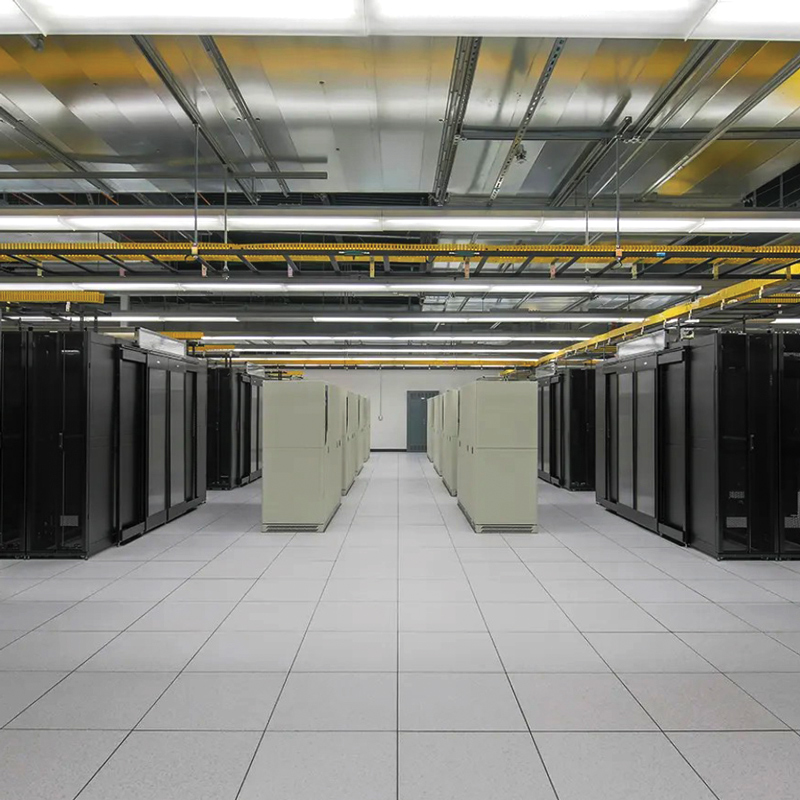
Data centers evolved into spaces for racks of servers and
support systems
more than simply schedule, budget, and safety. It also creates a jobsite that craft workers want to be a part of. Good parking, clean restrooms, places to cool down, eat lunch, and meet with their teams. All of these things may sound like a given, but it’s not hard to find trades who will tell you that’s not always the case in this industry. For STO Mission Critical, that’s our baseline. None of it happens by accident. From planning to construction, we use drone-based site mapping, delivery platforms that schedule material to the hour, and daily logistics planning to maintain a system on-site. This is what it takes to build a city before you build the buildings.
HOW AI SUPPORTS US AS WE BUILD THE INFRASTRUCTURE TO SUPPORT IT
As STO Mission Critical helps clients develop the next generation of AI-ready data centers, we’re also leveraging AI to improve how these complex facilities are planned and delivered. AI-powered tools help our teams analyze project information more productively, identify risks earlier, and turn large volumes of data into practical insights, improving cost certainty and schedule predictability and enabling better decision-making throughout the construction process.
AI is also boosting quality and project execution. We’re using advanced scheduling and scenario-planning technologies to save time and help optimize construction sequencing and resource planning. We’re also using AI-powered quality management and visual intelligence platforms to enable teams to identify issues faster, improve documentation, and reduce rework in the field. These tools free up project teams so they can focus less on administrative tasks and more on ensuring everyone goes home safely and that work is completed efficiently.
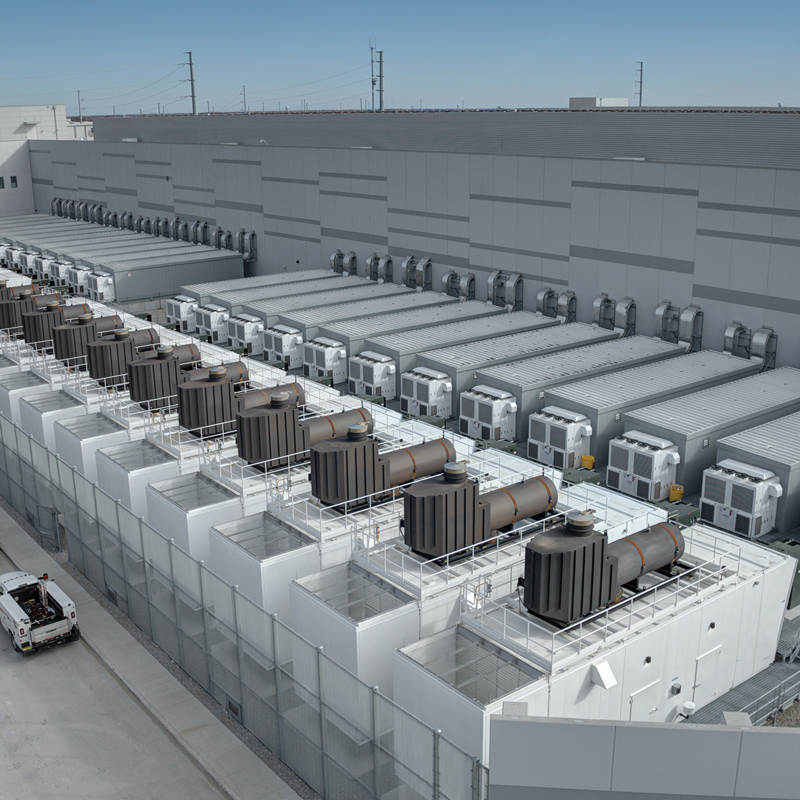
As more companies use AI, data quality, cybersecurity, and responsible technology use are more important than ever. For STO Mission Critical, AI helps in two main ways: it increases the call for advanced data centers, and it helps us build them more efficiently, safely, and reliably. As AI shapes the future of computing, the infrastructure will keep evolving. The technology may change, but our mission stays the same: providing the power, cooling, reliability, and scale needed for progress.