
Insights from James Dean, Director of Aviation, Structure Tone Southwest & Pete Kobelt, Director of Mass Timber, STO Building Group
Not long ago, airports were primarily designed to move passengers from point A to point B. Today, they’re expected to do much more. Modern terminals must create memorable experiences, meet ambitious sustainability goals, remain operational throughout construction, and provide the flexibility to adapt to decades of evolving regulations, technology, and travel demands.

As airports across North America invest in new terminals, concourses, and modernization programs, owners are rethinking what and how they build. While every airport has its own priorities and operational challenges, three trends are shaping how aviation projects are planned and delivered.
1. Lower-Carbon Materials Are Part of the Conversation
Today, sustainability is almost always a core project objective. Airport authorities are increasingly evaluating embodied carbon alongside operational performance as they pursue long-term environmental goals. While concrete and steel will continue to play a vital role in aviation infrastructure, many owners are beginning to explore where lower-carbon alternatives, including mass timber, may provide value.
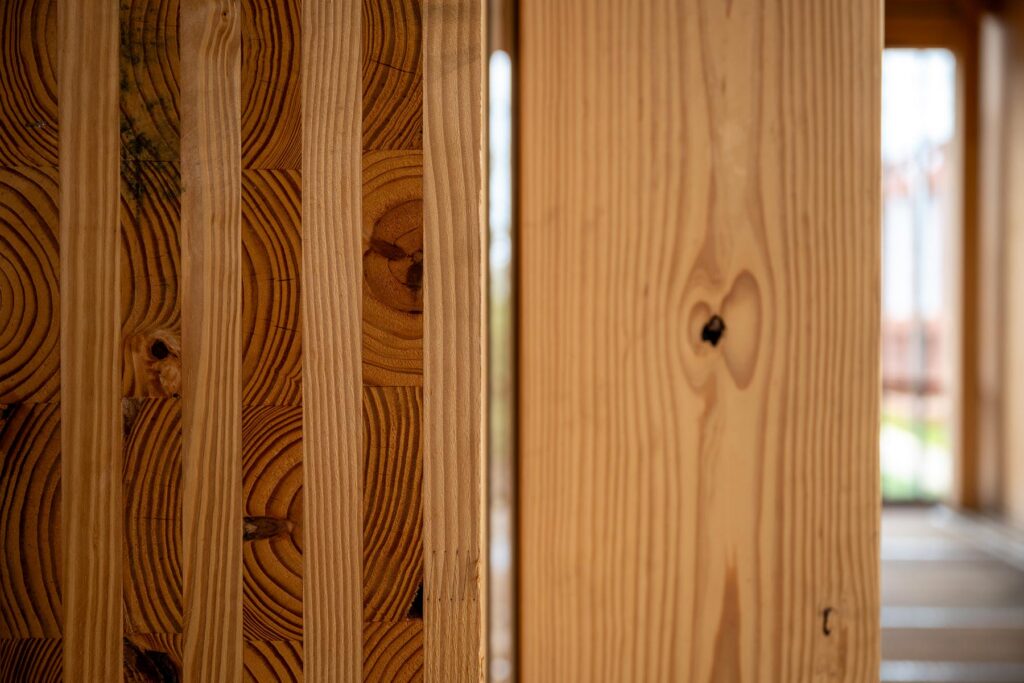
Mass timber is particularly well suited for public-facing spaces such as terminal halls, ticketing areas, and concourses where long spans, exposed structure, and passenger comfort intersect. Beyond reducing embodied carbon, exposed timber creates warm, naturally lit environments that reduce stress and contribute to a more welcoming passenger experience. As we learn more about our biophilic response to timber and natural materials, it only makes sense that designers will include timber and more natural materials in their airport design.
That doesn’t mean mass timber is the right solution for every airport project. Success depends on evaluating the right structural system for the right application while balancing constructability, lifecycle performance, maintenance, and operational requirements.
“The question for owners is shifting from ‘Should we use mass timber?’ to ‘Where does mass timber make the most sense?’” explains Pete Kobelt, Director of Mass Timber at STO Building Group.
2. Prefabrication Is Changing Project Delivery
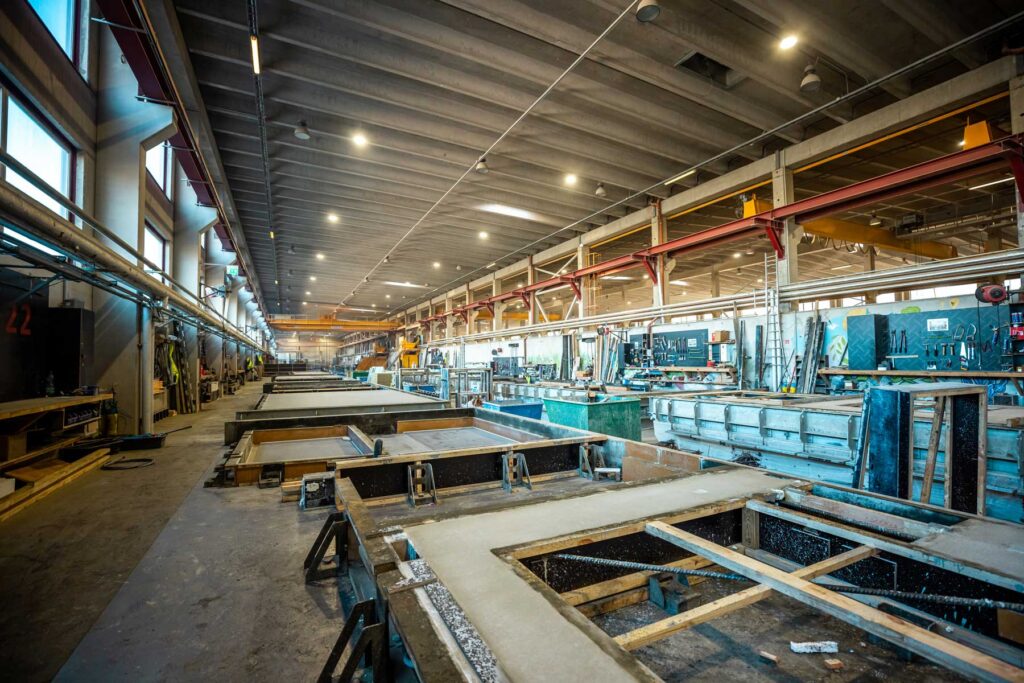
As airport construction grows more complex, prefabrication and offsite manufacturing are becoming extremely valuable tools for reducing schedule risk and improving quality.
Mass timber is one example of this shift. Because structural components are manufactured to precise dimensions before arriving onsite, much of the coordination traditionally completed during construction must happen much earlier in the design process.
That same fabrication-first mindset extends beyond timber. Mechanical systems, electrical assemblies, façade components, and other building elements are increasingly being manufactured offsite to improve consistency, reduce waste, and minimize disruption in active airport environments.
“For owners, this means procurement strategies, design coordination, and contractor engagement all need to begin earlier than on traditional projects,” says James Dean, Director of Operations at Structure Tone Southwest. “When fabrication drives the schedule, collaboration becomes one of the project’s greatest risk management tools.”
3. Passenger Experience & Operational Resilience Go Hand in Hand
If you’ve traveled recently, you’ve probably noticed that airports aren’t just places to catch a flight anymore. They’re becoming destinations in their own right, designed to reflect the communities they serve while creating a more comfortable travel experience.
As competition for passengers and airlines grows, airport owners are investing in natural light, intuitive wayfinding, healthier materials, improved acoustics, and flexible public spaces that reduce stress and elevate the travel experience. At the same time, these improvements must be delivered without disrupting airport operations or compromising security. That balancing act requires careful planning long before construction begins.
Whether working within an active terminal or delivering phased expansions, project teams must coordinate logistics, security requirements, material deliveries, and construction sequencing while maintaining uninterrupted airport operations. “The most successful projects recognize that passenger experience is influenced just as much by how construction is managed as by the finished building itself,” Dean says.
Looking Ahead
Airports have always reflected the priorities of their time. Lower-carbon materials, prefabricated building systems, and passenger-centered design are becoming integral to how owners evaluate future investments. Together, these trends point toward a new generation of aviation facilities that are more sustainable, more adaptable, and more resilient.
As these facilities continue to evolve, one thing is clear: the future of airport construction will require project teams that understand the unique operational demands of airports and can integrate design, procurement, fabrication, and construction into a cohesive delivery strategy.


About James Dean
James brings more than two decades of experience managing complex aviation and infrastructure projects for major airports across the US. His background includes leadership roles with the Houston Airport System and national aviation construction groups, overseeing terminal improvements, airside and landside development, operational upgrades, and capital planning. He holds a Bachelor of Science in construction management from the University of Houston and is active in several aviation industry organizations.
About Pete Kobelt
Pete has been engrained in the exploration of mass timber in the US since its early days, contributing to the conception and establishment of the first CLT manufacturing plants in the US and the first and largest mass timber student housing project in the US. His passion stems from his time spent studying the dramatic advances in engineered wood manufacturing and construction in Switzerland, Austria, and Germany.