
Last Zero Waste Week, STO Building Group’s Sustainability team brought together contractors, clients, designers, and manufacturers for a special three-part Building Conversations podcast series exploring material circularity in the AEC industry.
Across three conversations, the series looked at selective deconstruction and material recovery in New York City, Boston’s shift from demolition toward deconstruction, and the role manufacturers and suppliers can play through material take-back programs. While each conversation approached circularity from a different perspective, a few common themes emerged.
As we revisit the series for Zero Waste Week 2026, here are five lessons worth carrying forward.
1. Think about the end of a material’s life from the beginning.
One of the clearest themes across the series was that reducing construction waste starts well before materials reach a dumpster. Selective deconstruction and material recovery require teams to think differently about what happens during demolition: What can be reused? What can be recovered? Where can those materials go next? Considering those questions earlier gives project teams more opportunity to identify alternatives to traditional demolition and waste disposal.
2. Deconstruction takes planning.
The conversations in both New York and Boston explored the shift from demolition toward selective deconstruction and material recovery. Unlike

conventional demolition, deconstruction requires teams to identify materials with reuse or recovery potential and determine how they can practically be removed, stored, and redirected. That means considering logistics, available space, project schedules, and potential outlets for recovered materials. The earlier those conversations happen, the more options teams may have.
3. Circularity is a team effort.
Contractors can’t create a circular economy for building materials alone. The Boston conversation highlighted the importance of partnerships among owners, designers, contractors, and vendors, while also examining some of the policy, storage, and market challenges that can make deconstruction difficult.
Those challenges make collaboration especially important. Creating another life for a building material requires someone to identify the opportunity, someone to recover it, and ultimately somewhere for that material to go.
4. Manufacturers and suppliers can be part of the solution.
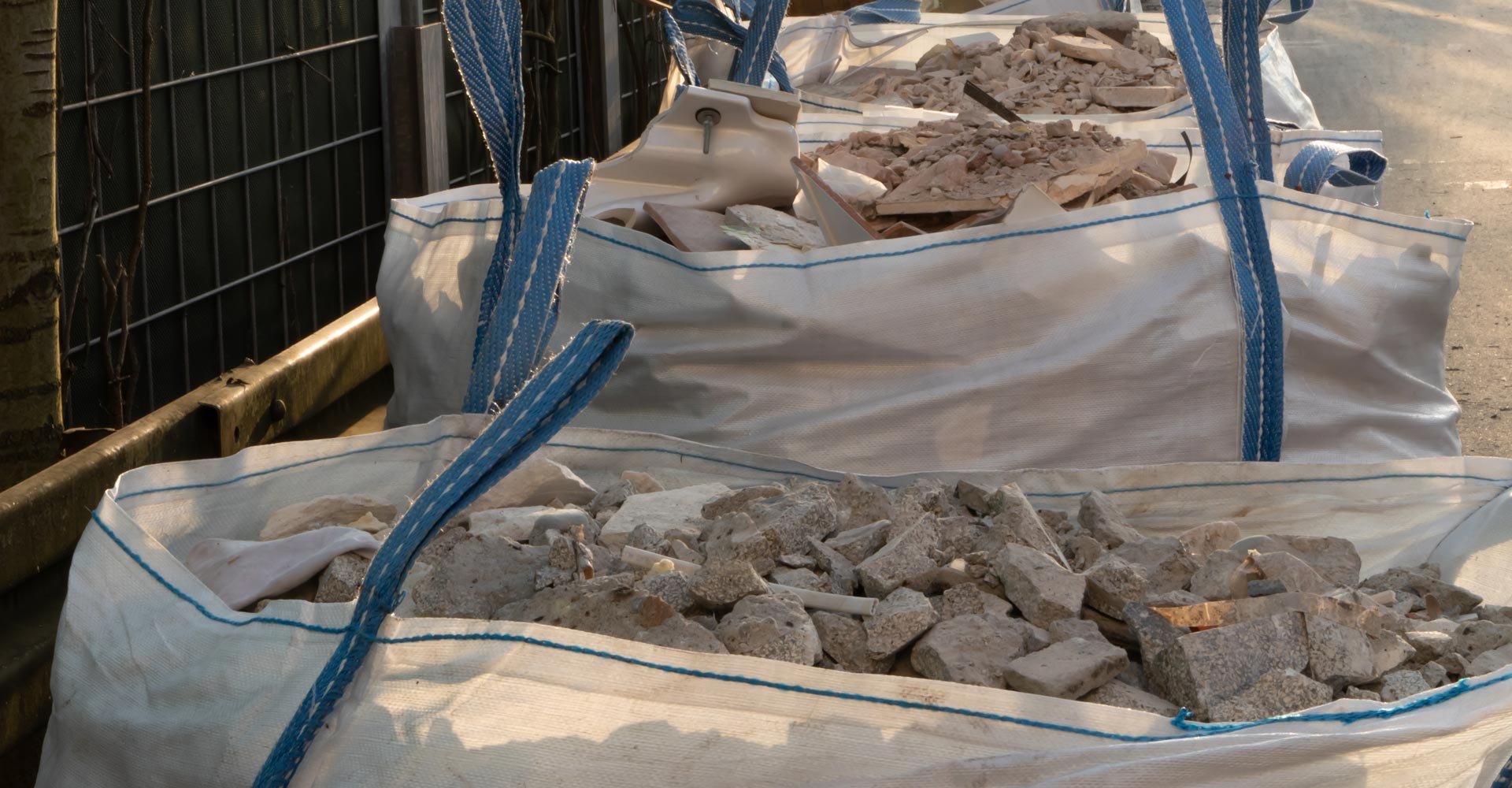
Circularity doesn’t stop at the jobsite. The third episode of the series focused specifically on how supplier partnerships and take-back programs can change the way project teams approach waste. These programs can create another pathway for materials at the end of their useful life by connecting them back to manufacturers rather than treating them solely as construction waste. For project teams, that creates a simple but important question to ask during planning and procurement: Does the manufacturer offer a take-back or recovery program?
5. There is no single solution to construction waste.
Perhaps the biggest takeaway from the series is that advancing circularity requires multiple approaches. Selective deconstruction, material recovery, take-back programs, reuse partnerships, and better planning all offer opportunities to reduce what gets sent to landfill. At the same time, practical challenges like storage, logistics, policy, and available markets for recovered materials remain. Progress comes from understanding those constraints and finding solutions that work for the specific project, material, and market.
Keeping the Conversation Going
A year later, these conversations offer an important reminder: waste is not only something to manage at the end of construction. Decisions made during planning, procurement, demolition, and construction can all influence where materials ultimately end up.
This Zero Waste Week, we’re revisiting all three episodes of our Building Conversations circularity series. Hear from sustainability leaders, project teams, designers, clients, and manufacturers about what’s working, what’s changing, and where opportunities remain as our industry continues working toward a more circular approach to construction.